In this case study from AG.Marketing, we will show how the right targeted advertising strategy helped an online store achieve an impressive ROI of over 1000%.
Initial data
In e-commerce, it’s all about efficiency: not only the number of sales, but also the cost of each purchase. This is especially critical in highly competitive niches, such as health and hygiene. These areas require careful preparation before launching marketing activities, as they are sensitive when it comes to user health.
The client asked us to promote an online store that featured electric toothbrushes, irrigators, replaceable tips, and other oral care accessories. The main priority was electric toothbrushes. Let’s start with the basic information:
- Niche: ecommerce, healthcare
- Region: Ukraine
- Period: 17 months (12.2018 – 06.2020)
- Goal: increase sales and profitability of the online store
- Tool: targeted advertising Meta Ads
We recommended targeted advertising because it allows you to maximize the benefits of the product in visual terms, and it is also easy to scale once a working hypothesis is found.
Key results
Often, businesses start launching ads without a clear KPI. In this case, we immediately established that the goal was profit. Sales are important, but only those with the highest margins make sense for scaling. This attitude allowed us to build a logic of actions and performance metrics.
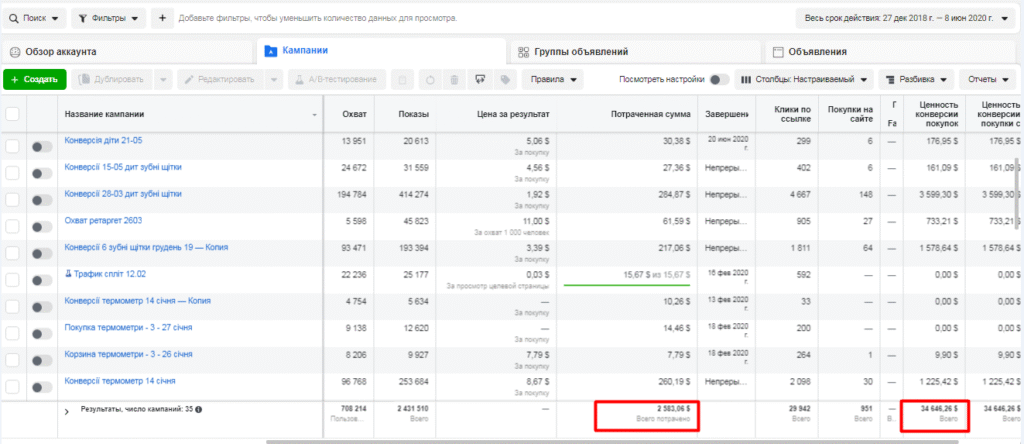
The results that were recorded over 17 months of cooperation (screenshot 1):
- Turnover 34 646,26$
- Cost per acquisition (CPA): 2$
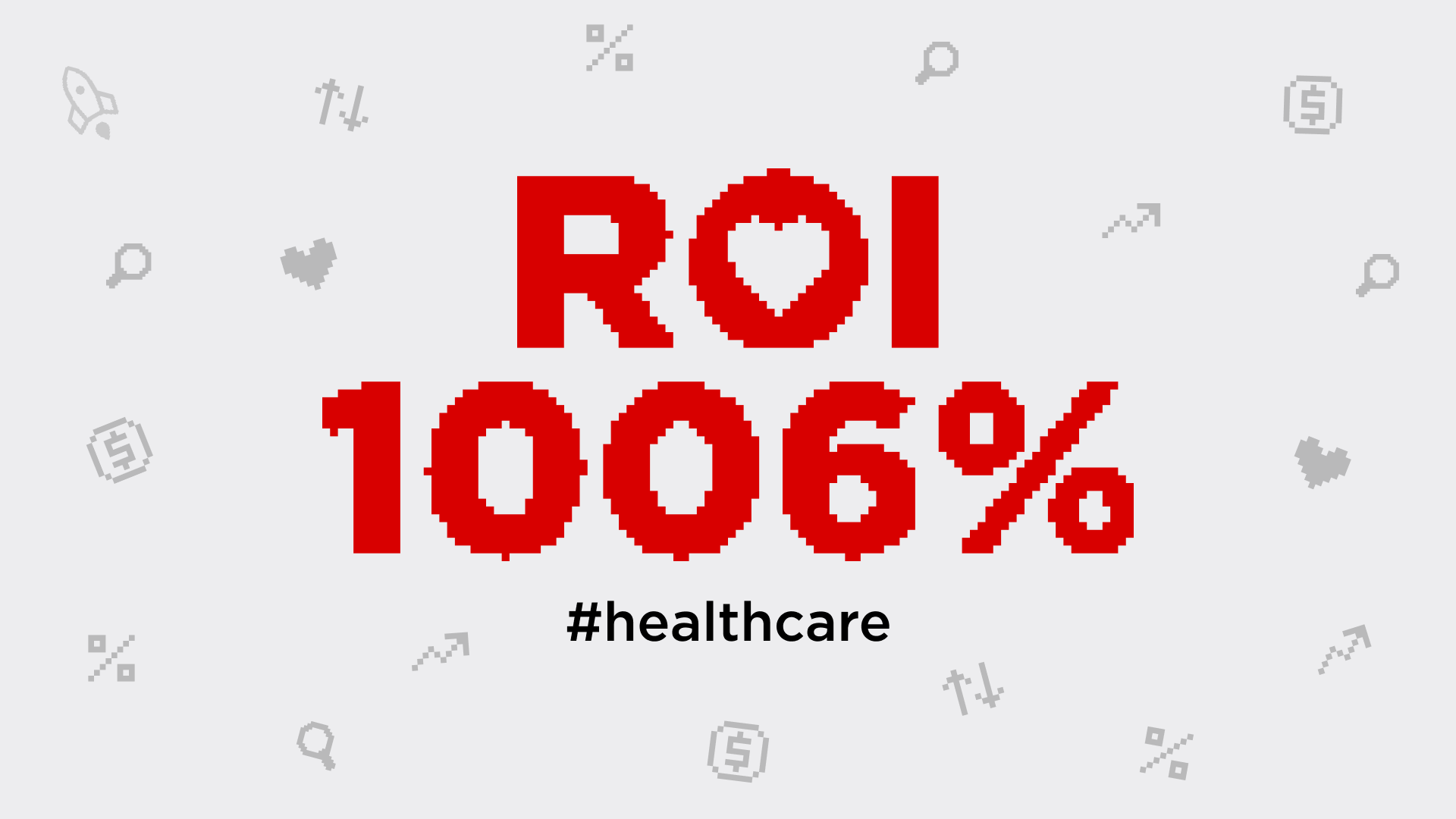
- ROI: +1006%.
This means that for every dollar invested, the business returned more than $10 in profit.
What has been done?
When dealing with e-commerce, we always start with analytics research. It’s important to have customized e-commerce analytics to track the level of sales from advertising, as well as optimize campaigns for the target ROAS. Also, no targeted advertising project starts without analyzing competitors and target audience.
1 step: Audit and preparation
To create a logical structure for the advertising campaign, we focused on preparation: analysis, segmentation, and hypothesis building. This is the stage that most companies skip, but without it, advertising turns into a game of luck.
What we did:
- We checked analytics, goals, and tracking.
- Segmented the audience (parents, young professionals, people with gum problems).
- We prepared hypotheses about values: health, convenience, caring for children’s health, saving money on dentists.
Based on the results of the analysis, we prepared graphic materials and sets of audiences for the launch.
Step 2: Launch the first campaigns
When you have a clear understanding of the target audience and its motivations, the launch is more accurate and doesn’t involve a budget drain. At this stage, we got the first results and determined what really works for the client’s product.
- We launched campaigns with several goals: “Purchase” for direct conversion, ‘Outreach’ to familiarize the audience with the offer and collect statistics for further stages of the funnel.
- We tested several offer formats.
- We launched a split test to determine the most effective link.
Based on the results of the second stage, we identified the most effective offers and ad formats, as well as the audiences that interact with ads the most.
Step 3: Scaling up
The result is only meaningful if it can be repeated and scaled. At this stage, we put our campaigns into a systematic profitable growth mode: without chaos, with clear numbers and effective connections.
- We created campaigns with proven formats and offers.
- We launched retargeting to landing pages.
- We optimized campaigns for ROAS, not just CPA.
The first month in targeted advertising is always devoted to selecting the most effective set: even the shade of color on the banner can play a decisive role.
Why did it work?
In this case, everything came together: the demand for the product, the right message, and the chosen strategy. But the most important thing is attention to detail: from day one, we worked for efficiency, not just coverage. And that is why we have achieved such figures.
Setting up audiences, static creatives and videos, analyzing landing pages and the level of interaction with them – all this takes time, but pays off as soon as the ideal customer journey is found.
When a simple and straightforward product enters a growing market at a competitive price, it is enough to support it with a relevant advertising channel with a well-thought-out strategy. Focus on the benefits and advantages, not just the features, and choose clear messages that hit the audience’s zone of interest.
Conclusions
Advertising works when there is a system and an objective budget. This case study shows that even in a competitive e-commerce niche, you can get a high ROI if you start with analytics, test hypotheses, and scale only what makes a profit. This is the essence of modern performance marketing.
Contact us and we will prepare a personalized strategy for your niche. We select a channel for free and calculate a media plan with expected results. We work with more than 70 niches!