
KPIs in SEO are quantifiable values used to gauge the effectiveness of your optimization strategy. These search engine performance metrics show whether your investment in SEO is translating into real business value. They also align your marketing goals with actual results—improving transparency between marketers and clients or internal teams.
Here are six core search engine metrics every business should monitor to measure growth, performance, and ROI.
Website Traffic
Website traffic is one of the most visible SEO KPIs and a reliable indicator of growth. Increased traffic suggests that your optimization strategy is bringing more users to your site. However, quantity alone isn’t everything—performance indicators like traffic quality and engagement are just as important.
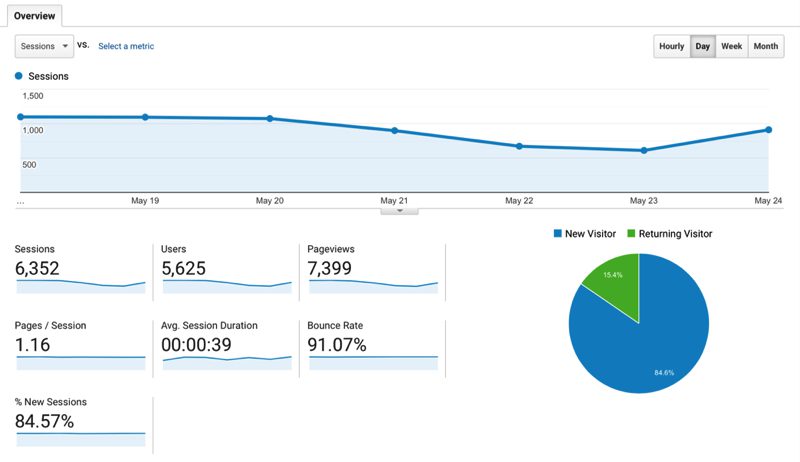
To understand what’s driving results, segment traffic by source: organic search, paid campaigns, direct visits, referrals, and social. This helps evaluate which channels support your business goals most effectively.
Organic Search Visibility
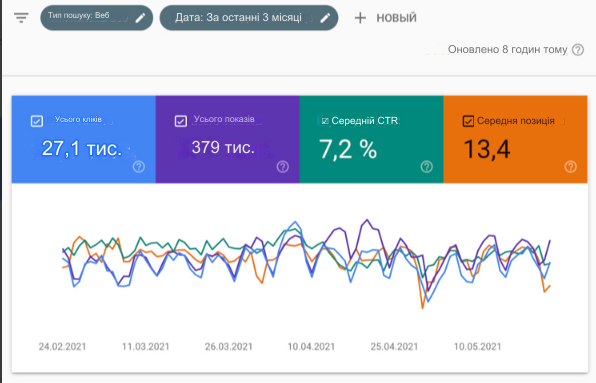
Search engine visibility tracks how often your site appears in search results across your targeted keywords. It’s a broader search engine performance metric than rankings alone, helping you evaluate how well your SEO is building exposure—even before conversions spike.
This key SEO metric is especially valuable in the early stages of a campaign when you’re building trust with Google or Bing. Visibility increases often precede spikes in traffic and conversions.
Cost per Visitor, Lead, or Sale
Understanding your cost per acquisition (visitor, lead, or sale) gives you deeper insight into SEO’s value. This key performance indicator helps you assess how efficiently organic channels are generating real business outcomes.
For example:
Cost per Click (CPC) = Channel Budget / Channel Traffic Volume
As your campaign matures, the cost per lead tends to decrease—making it one of the most cost-effective search engine optimization KPIs to track over time.
Conversions and Conversion Rate
Conversions are the lifeblood of any business-focused strategy. Whether you’re aiming for purchases, form submissions, downloads, or registrations, conversion tracking ties your SEO metrics directly to revenue.
Conversion Rate (CR) = (Conversions / Total Visitors) x 100
Among the most critical SEO KPIs, conversion tracking shows whether your work is driving tangible value—not just clicks. It reflects both your site’s usability and the quality of traffic you’re attracting organically.
Branded Traffic
Branded search traffic refers to visitors who find your site using keywords that include your business or product name. It’s an important SEO KPI that reflects your brand’s presence and trustworthiness in the market.
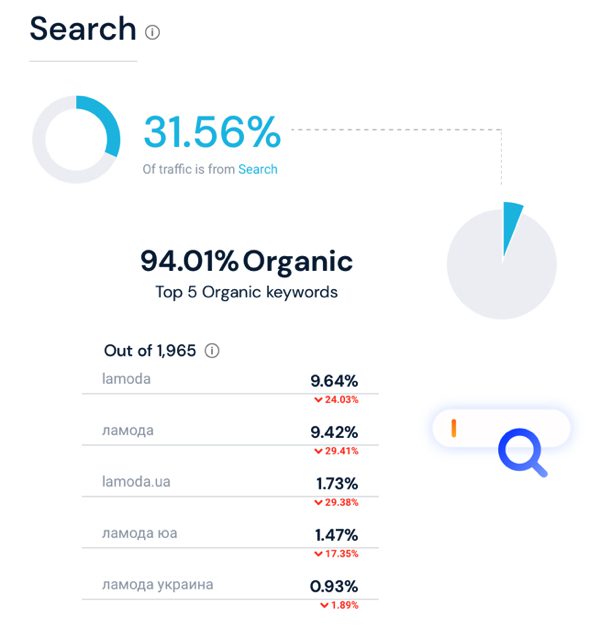
Branded queries tend to:
- Deliver highly qualified traffic
- Convert at higher rates
- Keep your company at the top of search results, regardless of algorithm changes
This search engine metric often grows in parallel with your broader marketing efforts, showing how this channel helps build long-term brand equity.
ROI of the SEO Campaign
Return on Investment (ROI) is the ultimate performance indicator—the one that tells you if your SEO campaign is profitable.
ROI = (Revenue – Costs) / Costs
Initially, SEO ROI may be low due to the upfront investment, but as your strategy gains traction, this key metric improves. High long-term ROI is a strong argument for continuing or increasing SEO investment, especially compared to other marketing channels.
How to Choose the Right Search Engine Optimization KPIs
Not every website needs to track the same KPIs. A service-based business might prioritize leads and visibility, while an e-commerce site may focus on sales and branded traffic.
To select the right search engine optimization KPIs:
- Set specific goals: Are you looking for more traffic, conversions, or visibility?
- List relevant actions: Know what counts as a conversion and what influences it.
- Benchmark your current metrics: Understand your starting point.
- Pick reliable tools: Use analytics and SEO platforms to monitor key indicators and metrics.
Each SEO performance indicator you choose should reflect a business objective and give you insights that guide decision-making.
Final Thoughts
Success in search engine optimization comes from tracking what matters. These six key performance indicators offer a strong foundation for measuring SEO progress and aligning it with your company’s broader marketing goals.
Whether you’re a growing company or an established brand, tracking the right search engine metrics ensures your strategy drives real results—not just empty traffic.
If you’re looking for a team to help turn SEO into growth for your business, reach out—we’ll help you define the right SEO KPIs and execute a strategy that gets results.