
If having a website was a necessity in the 2000s, having a responsive website is the modern standard.
What Is Responsive Website Design?
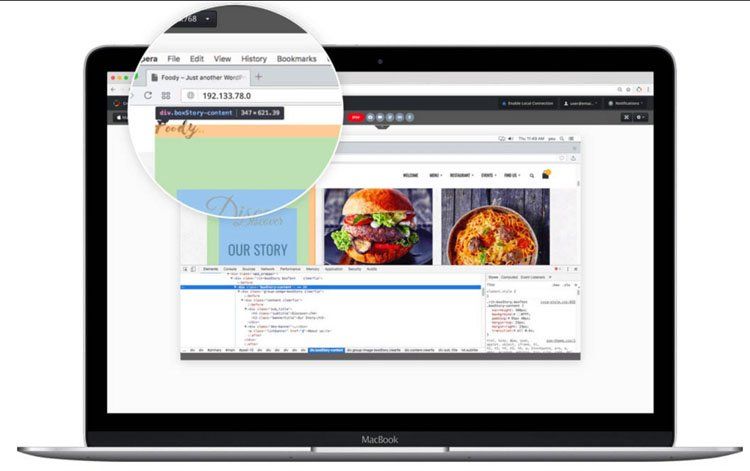
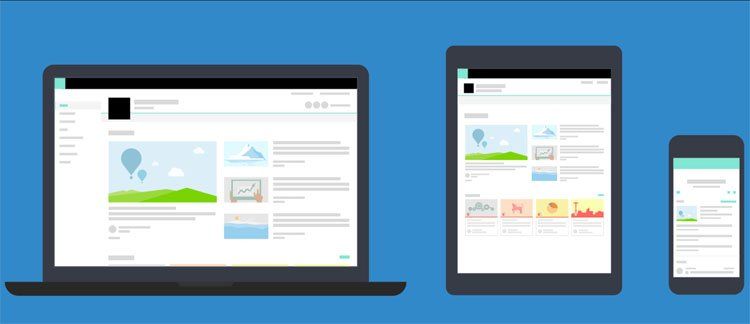
If you’re wondering what a responsive website design is, it refers to a layout that automatically adjusts to different screen sizes and resolutions. Whether your visitors use smartphones, tablets, or desktops, a mobile website responsive layout ensures that your content looks good and functions properly across all devices.
Today, it’s not just a nice-to-have feature—it’s a requirement. It influences everything from user experience and branding to visibility in search engines and conversion rates.
Why Is Responsive Design Important?
A few years ago, marketers suggested adapted layouts when mobile users reached 10% of web traffic. Now, with most traffic coming from mobile devices, why is it so important isn’t even a question—it’s a strategic necessity.
With Google adopting a mobile-first indexing policy, the performance of your mobile site plays a decisive role in determining your search rankings. If your website isn’t optimized for mobile, you’re already falling behind competitors.
Key Benefits of Responsive Design
Since having a responsive version is no longer a recommendation, but an important requirement for SEO, it is obvious that many companies pay special attention to it.
Nevertheless, it is worth noting a number of significant advantages of responsive design that can have a positive impact on business. Let’s take a look at the most important ones.
1. Better Conversions and More Sales
The benefits begin with increased accessibility. When your website adjusts seamlessly to any screen, visitors are more likely to stay, engage, and convert—whether that means filling out a form or making a purchase. A smooth, easy-to-navigate website directly contributes to higher conversion rates.

2. Enhanced User Experience
A great mobile website responsive layout provides intuitive navigation and fast loading speeds, both of which improve the user journey. Visitors expect websites to load quickly and function perfectly, regardless of the device they’re using. This approach meets that expectation and keeps users engaged.
3. Stronger Search Engine Visibility
Google ranks websites based on mobile performance, so mobile versions can significantly improve your SEO. By ensuring your site works well on all devices, you’re aligning with Google’s quality standards—boosting your chances of ranking higher in search results.
4. Unified Site Management
Gone are the days when businesses managed separate desktop and mobile versions of their websites. A single responsive design simplifies content updates and SEO efforts. Instead of splitting your energy between multiple platforms, you can focus on one unified site that works everywhere.
How to Make Your Website Responsive
Not every website is currently optimized—but the transition is straightforward and well worth the investment. Here are your main options:
- WordPress Plugins: For WordPress sites, tools like WPTouch Mobile Plugin can create a flexible layout quickly and affordably.
- Responsive Templates: Purchase a mobile-ready template from platforms like ThemeForest. This option offers professional design with less development time.
- Adapt an Existing Site: Hire a web developer or agency to convert your current design into a mobile website responsive layout.
- Custom Redesign: Build a new design from the ground up, optimized for responsiveness. This is ideal if your current site is outdated or lacks flexibility.
The Importance for Business Growth
Ultimately, an adapted website demonstrates professionalism, trustworthiness, and care for your customers. It signals that you’re committed to offering a quality experience, no matter where or how visitors access your site.
That’s why Google favors responsive websites—and why customers are more likely to stay, engage, and convert on them.
The importance of responsive design cannot be overstated. From increasing conversions to improving search visibility and simplifying content management, the benefits touch every aspect of your digital performance.
If you want your brand to stand out, keep customers engaged, and rank higher in search engines, investing in a responsive design website is the smartest step forward.