A business page on a social network can be a good source of traffic and leads, as well as a tool for increasing brand awareness. The SMM sphere is currently in an active stage of development, the audience is changing, and services offer new features for marketing. That is why we invite you to explore the peculiarities of designing business pages on social networks.
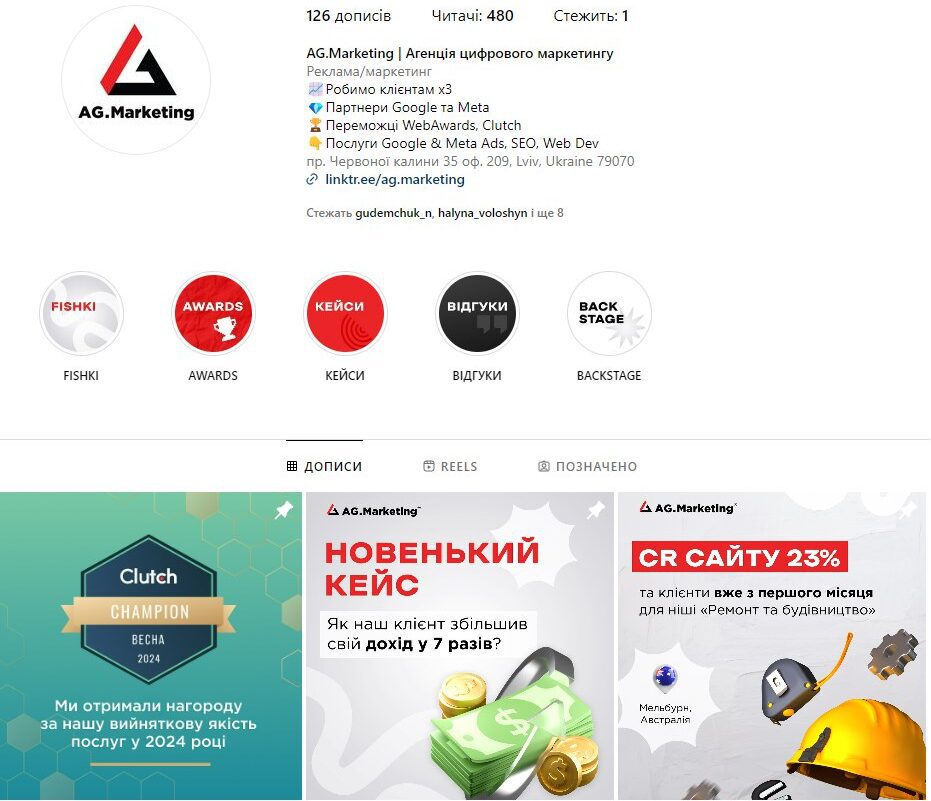
1. Stick to one style
Photos, images, and other design elements should be in the same style and should be well combined with each other. Pay attention to the content, color scheme, filters, fonts, etc. Don’t just use the first images you see because you like them.
Your page shouldn’t look chaotic and incoherent. Even standard photos and templates can be used to create a harmonious combination. This will help the visitor to form a single image of your page.
The same applies to accounts on different social networks. Marketers or designers often strive to create a unique design by adapting branding elements to the specifics of each social network. It seems like the right approach.
However, this can lead to negative consequences. After all, recognition by the target audience is an important indicator for any brand. But it won’t happen if you design your social media accounts differently. You shouldn’t make them the same, either, but you should stick to a single concept. You can use one recognizable element.
2. Less formality and more information
Unlike bloggers’ pages, thematic forums, and other places for long-winded musings, a business profile page should have images complemented by specific and short text. The text of the post should reveal the message and idea of the image without taking away the user’s time to read a long description.
Having a detailed content plan will allow you to think over and prepare everything you need for your publications in advance. This makes it possible to convey only important information to the target audience. Notice how your target audience interacts with your posts, and what content they engage with most, and adjust your strategy accordingly.
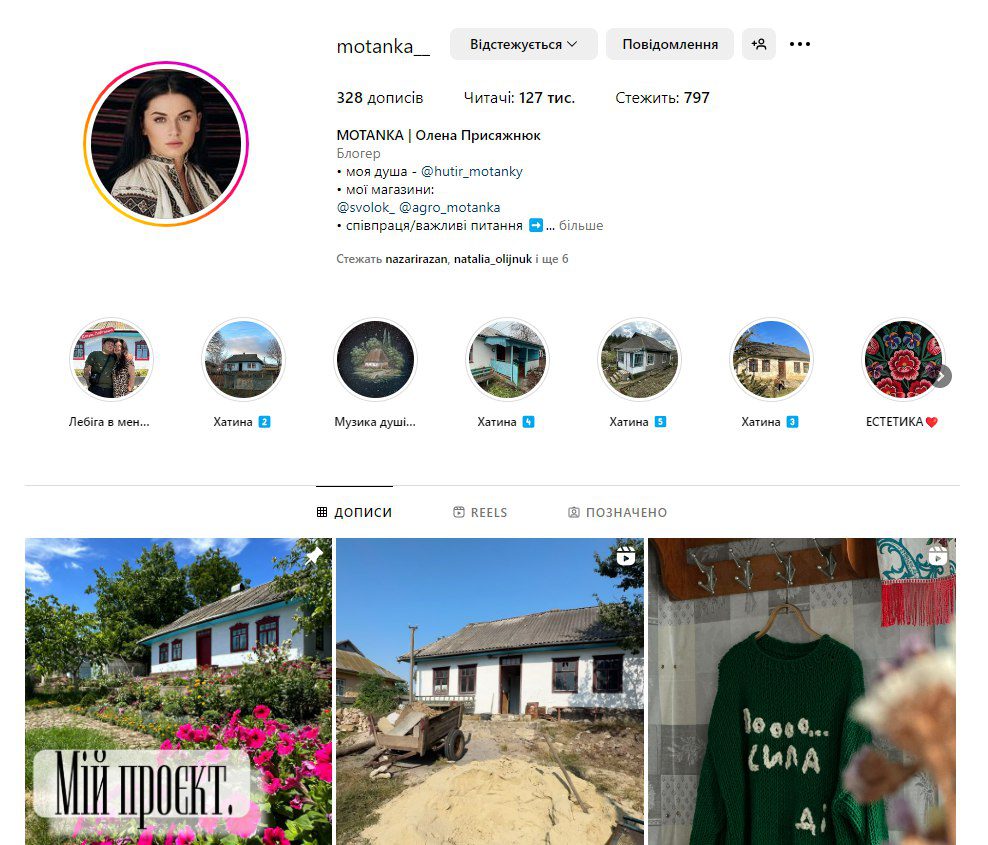
3. The avatar and header should be memorable
The profile header is the entire top block of your profile, including your nickname, avatar, name, signature, links, permalinks, permalinks, permalinks, and their covers. A good nickname is not a long, loud, memorable one. It is advisable to avoid numbers, unnecessary symbols, and emphasis.
The name is one of the main elements of the profile used in the search. It’s important to specify your name for famous people, but if you’re not one of them yet, it’s better to write what your account is about.
4. Avoid stock images
It is important to use safe images for your profile. These are images that do not entail material or reputational liability for copyright infringement.
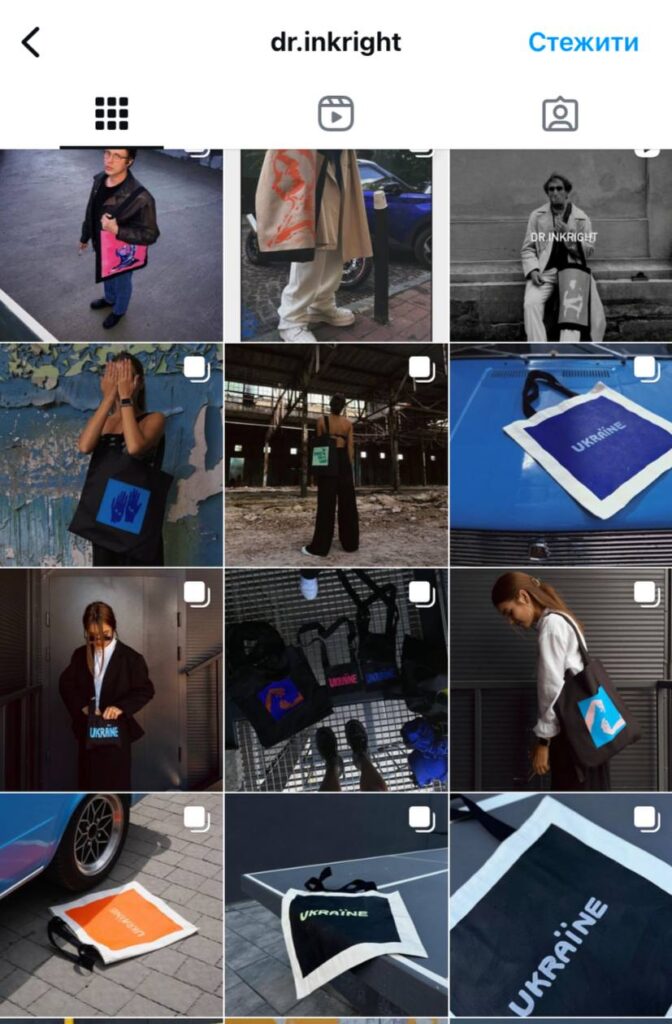
Prioritize authentic, original imagery that showcases your brand’s unique identity. User-generated content or behind-the-scenes photos can build trust and create a more personal connection with your audience.
If you sell your products, you shouldn’t post photos of similar but different products. Hiring a photographer for one day is not that expensive, but the photos of your products, along with the process of their production, will last you a long time.
Alternatively, you can buy photos on Photostock or use images with a free license. But in this case, it may turn out that not only you but also your competitors use the same photos.
5. Pay attention to the description
Craft a concise and compelling profile description that clearly communicates your brand’s value proposition. Highlight your unique selling points and explain why users should engage with your content. Include relevant keywords for search optimization.
If you want to get subscribers, the description should be written in such a way that it attracts and interests them. You should also include hooks, such as seasonal discounts, free shipping, quick exchange, etc.
Remember contacts, a call to action, and an active link to your website, if you have one. Links in the description should be shortened with a special service. Try different descriptions and test the display of your page in search, be sure to look from different devices.
6. Use calls to action
A call to action is a short statement aimed at an immediate reaction from the user. It is a gentle push to make a purchase, go to a website or page, subscribe, etc. Whether it succeeds or not depends largely on the right wording.
The call-to-action button can be placed under the cover and linked to the desired page. The button option is chosen depending on the business’s specifics and the needs of the target audience.
7. Timeless stories on Instagram (highlights)
Timeless Stories are stories that are pinned in the profile header under the main information. They do not disappear in a day, unlike regular stories.
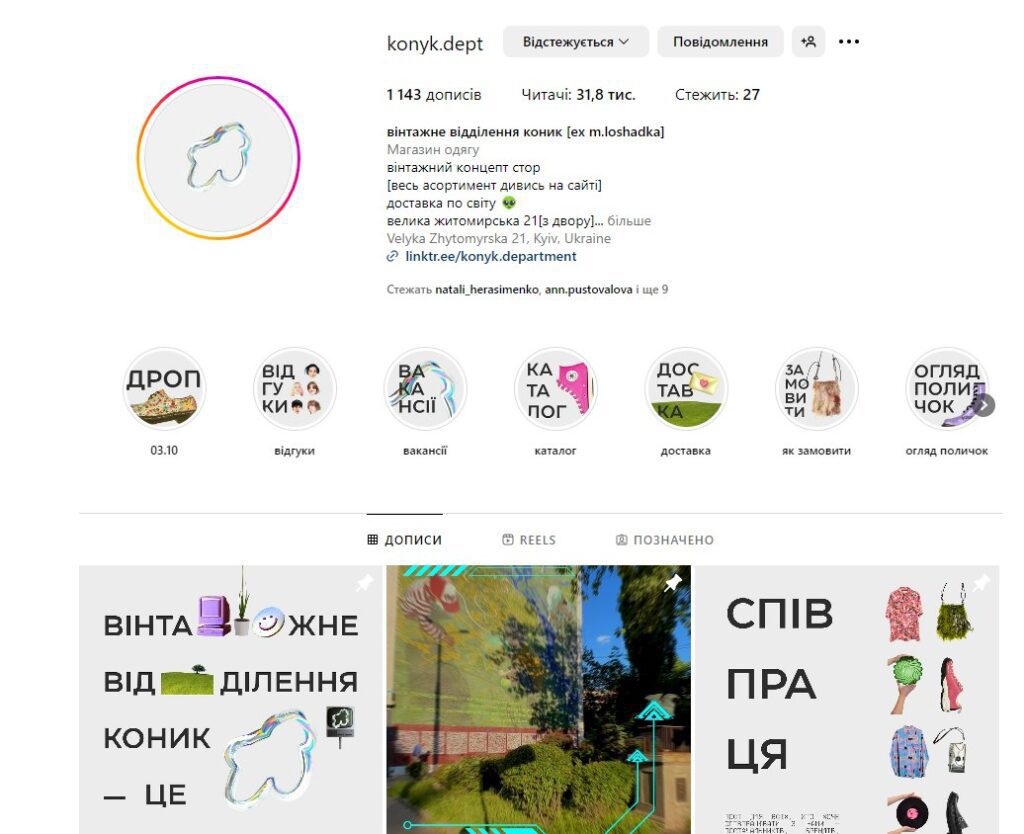
The purpose of timeless Stories is to answer the most pressing questions and work with objections. It is important to post enough information, but not to overload the header with “roundabouts”. Experts recommend creating 5-10 such Stories and thinking about their topics in advance.
You should provide information about the brand, upload a catalog of services, a price list, terms of ordering, payment and delivery, reviews, etc. This will help you save time on correspondence with customers and help them make a purchase decision.
8. Different formats for different social networks
While horizontal photos are better for Facebook, vertical photos are better for Instagram. Image sizes adapted to each network will make your profile more convenient and easy to read. Each platform has its requirements for the amount of text in posts. And even emojis differ slightly.
Remember the peculiarities of displaying avatars and covers on different devices. They generally look different on the web, app, and mobile versions. By keeping this in mind, you will avoid cropping images in inappropriate places.
Proper design of your business account will help you successfully develop your brand and turn social media into a source of new customers for your business.
Key considerations for effective social media presence
- How to start a social media page correctly involves having a clear strategy and understanding your target audience.
- Social media page design is a crucial factor in attracting and retaining user attention.
- Every business owner should understand how important it is to have a well-maintained social media business page.
- Before you start, consider its homepage and essential information.
- To optimize social media homepage design and ensure a user-friendly experience, closely monitor customer interactions and adapt accordingly.