This comprehensive guide explores the digital marketing trends set to dominate in 2025 and provides actionable insights for marketers to stay ahead.
Choose which marketing trend is closest to your business and your target audience. To stay competitive in an ever-evolving market, consider adding something new from these trends to your strategy for the year. We’ll share our observations and research, and we’ll be happy to help you determine which one from the marketing trends you can use in your business.
AI and Machine Learning (ML): The Core of Modern Marketing

Artificial Intelligence (AI) and Machine Learning (ML) are no longer futuristic concepts — they are now foundational elements of digital marketing. By 2025, AI applications will drive over $2.6 trillion in marketing spend, according to McKinsey. These technologies empower marketers to automate repetitive tasks, predict customer behaviors, and optimize marketing campaign performance in real-time.
How Marketers Can Leverage AI and ML:
- Predictive Analytics: Use AI tools like Google Analytics 4 or Salesforce Einstein to forecast customer behavior and tailor marketing strategies.
- Chatbots and Virtual Assistants: Integrate AI chatbots like ChatGPT or Drift to provide 24/7 customer support and personalized recommendations.
- Personalized Campaigns: Employ platforms like Adobe Sensei to deliver hyper-targeted ads and email campaigns.
- Dynamic Pricing: Analyze market trends and competitor pricing to offer personalized discounts in real time.
AI allows you to analyze massive amounts of data at a lower cost, which businesses are actively using to customize personalized interactions. Examples of success include Netflix and Amazon, which use AI for recommendations. Personalized recommendations increase conversion and user engagement. The market for AI in marketing is projected to grow to $107 billion by 2028, according to International Data Corporation (IDC).

Pro Tip: Companies that use AI for personalized marketing achieve up to a 20% increase in sales, as noted by BCG.
Generative Content: Creativity Powered by AI
AI-driven content creation tools, such as Jasper and MidJourney, are enabling marketers to produce high-quality, engaging content faster than ever. By 2025, Gartner predicts that 30% of all digital content will be created by AI.
Applications of Generative Content in Marketing:
- Automated Ad Copy: Use tools like Writesonic to generate engaging ad copy for multiple platforms.
- Visual Content Creation: Leverage AI to design graphics, infographics, and video content in minutes.
- Content Scaling: Optimize blog production by using AI to generate drafts, which can then be refined by human editors.
In 2025, AI systems are expected to learn to understand the Tone of Voice of brands and create content that will address the most interesting topics for the target audience. Given the significant reduction in time and resources for creating such content, AI is definitely on the horizon for marketing trends in 2025.
Stat Insight: Businesses using generative AI report a 40% reduction in production time for digital assets.
Voice Search Optimization: Capturing the Conversational Web

Voice search is becoming a dominant force, with over 8 billion voice assistants expected to be in use by 2025 (Juniper Research). Consumers increasingly rely on voice commands for quick answers, shopping, and local searches.
Steps to Optimize for Voice Search:
- Focus on Long-Tail Keywords: Incorporate natural, conversational phrases into your content.
- Local SEO: Optimize for “near me” searches by updating Google My Business profiles.
- FAQ Pages: Create detailed FAQ sections to answer specific, voice-friendly queries.
- Mobile Optimization: Ensure your website is mobile-friendly, as voice searches often occur on smartphones.
According to Deepgram’s report, 82% of companies are already using voice technology, and 85% expect widespread adoption within the next five years. In addition, 66% believe that voice search will be a mandatory component of marketing strategies in the coming years.
Example: A restaurant can optimize for “Where’s the best sushi near me?” to appear in voice assistant results.
Tell us about your business and get a free consultation from the team with the calculation of media plans and expected promotion results.
Short Videos: Snackable Content Drives Engagement
Short-form videos are dominating social media. Platforms like TikTok, Instagram Reels, and YouTube Shorts are driving massive engagement. In fact, Wyzowl reports that 93% of marketers say video is crucial to their marketing strategy, with short videos leading the charge.
How to Use Short Videos Effectively:
- Behind-the-Scenes Content: Showcase your team, processes, or product development.
- Tutorials and Tips: Create quick how-to videos related to your niche.
- User-Generated Content (UGC): Share videos from customers using your product.
- Interactive Elements: Incorporate polls, stickers, or Q&A sessions for engagement.
Video-centric platforms get 2x more engagement than static content. Brands will increasingly invest in short, dynamic formats to capture attention. Short and succinct videos also show greater effectiveness as promotional materials.
Stat Insight: Short videos receive 1200% more shares than text and images combined, according to WordStream.
Web 3.0 and the Metaverse: A New Dimension of Interaction
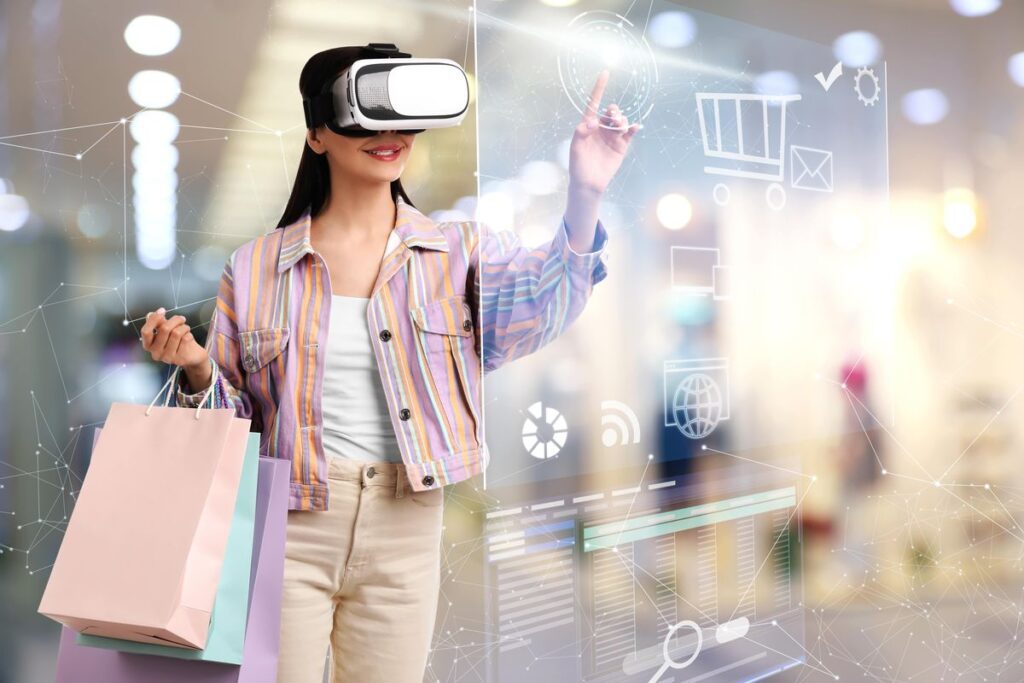
Web 3.0 technologies, including blockchain and the metaverse, are reshaping how consumers and brands interact. The metaverse market alone is projected to grow to $800 billion by 2024, according to Bloomberg’s insights.
How marketers can go in for marketing trend of Web 3.0 and the Metaverse:
- Virtual Stores: Create digital storefronts in platforms like Decentraland.
- NFT Campaigns: Offer branded NFTs as collectibles or loyalty rewards.
- Immersive Advertising: Develop interactive ads for VR environments.
- Gamification: Build branded games or sponsor eSports events to engage younger audiences.
Implementing such technologies requires resources, so such strategies should be planned and budgeted for in advance. Keep in mind that you may also need a team that can maintain and improve the metaverse for your business.
Example: Nike launched “Nikeland” in Roblox, attracting millions of visitors to its virtual world. Shopify, on the other hand, is starting to adopt metaverse technologies for a new online shopping experience where you can “try on” an item in real time or test available product features.
UGC and Influencer Marketing: Authenticity is Key

In 2025, authenticity remains the cornerstone of successful marketing. User-Generated Content (UGC) and influencer partnerships offer brands a powerful way to connect with their audiences. According to Takumi, 61% of consumers trust influencers’ recommendations more than brand advertising.
Steps to Maximize UGC and Influencer Marketing:
- Micro-Influencers: Collaborate with influencers with 10k–50k followers for niche authenticity.
- Branded Hashtags: Encourage customers to share photos and videos using unique hashtags.
- Customer Spotlights: Feature UGC on your website, social media, or email campaigns.
- Influencer-Led Campaigns: Partner with creators who align with your brand values.
Think about what emotions compel you to share your purchase on Instagram or Tik Tok? How to evoke such emotions in your target audience so that users generate content with your product or service on their own? You can offer additional bonuses, promotions and loyalty programs to those who recommend you on social media.
Stat Insight: UGC campaigns see a 29% higher conversion rate than campaigns without customer-driven content.
Omnichannel Marketing: Seamless Consumer Journeys
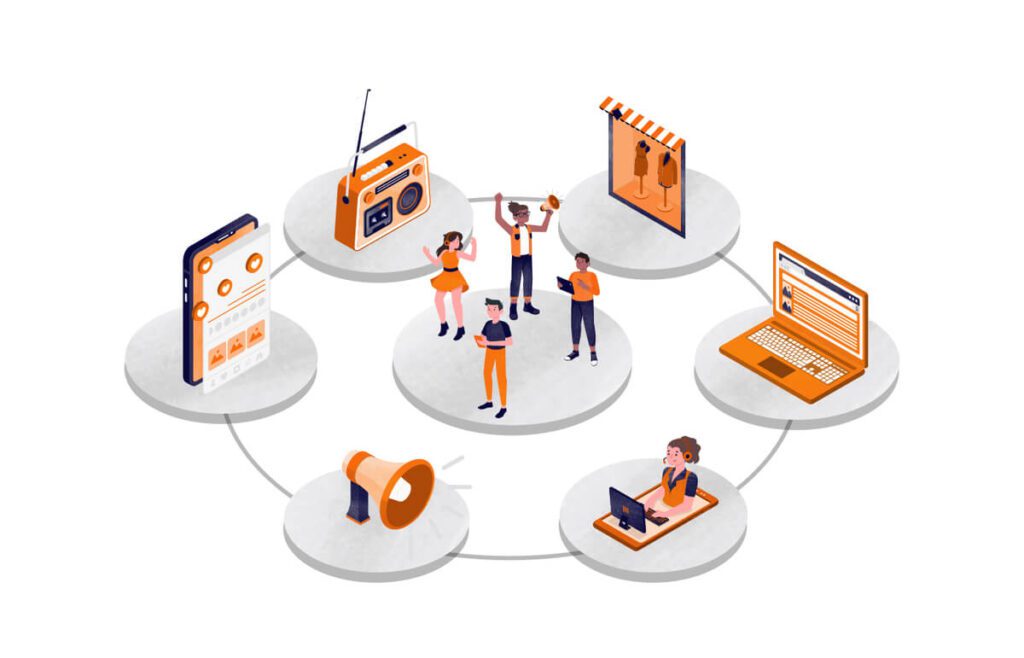
Omnichannel marketing integrates multiple platforms to provide a consistent customer experience. A survey by Omnisend found that omnichannel campaigns achieve a 287% higher purchase rate than single-channel efforts.
Tips for Effective Omnichannel Strategies:
- Unified Messaging: Ensure consistency in tone, style, and offers across all channels.
- Cross-Channel Promotions: Link email campaigns to social media and in-store events.
- Customer Data Integration: Use CRM tools like HubSpot or Klaviyo to track interactions across platforms.
- AI-Driven Insights: Leverage AI to analyze cross-platform performance and optimize strategies.
Omnichannelization requires maximum collection of data about each consumer across all channels of interaction with him. This makes it easy to identify your customer and help them with their issue, regardless of where they have contacted you before. From the customer’s perspective, this looks like a high-level service, but make sure that all your channels are provided with transparent provisions on how and what data you collect.
Eco-Friendly Marketing: Sustainability Sells
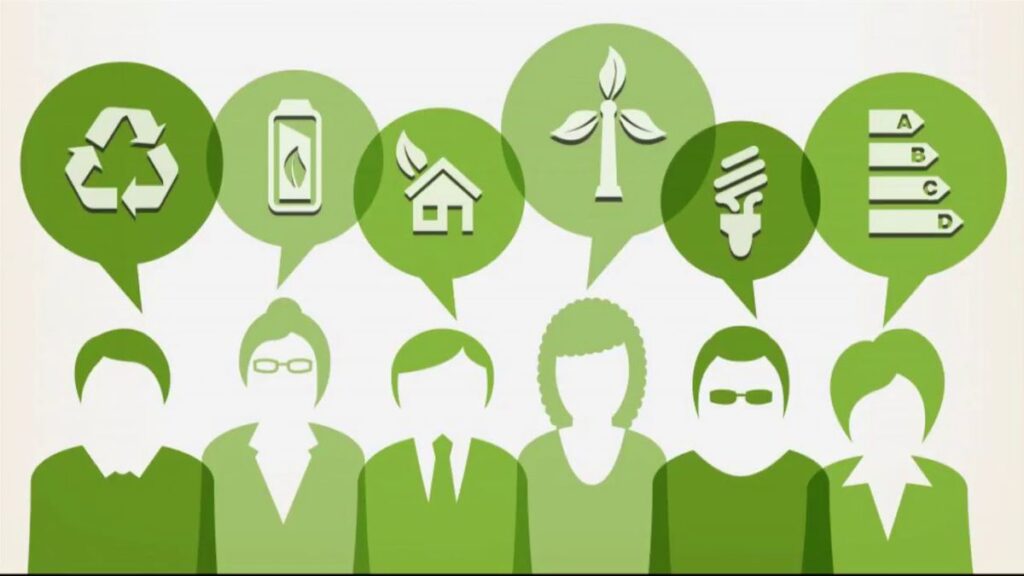
Sustainability is more than a buzzword – it’s a demand. Nielsen reports that 73% of global consumers are willing to pay more for sustainable products.
Eco-Friendly Marketing Strategies:
- Green Products: Highlight eco-friendly features in your offerings.
- Digital Carbon Footprint Reduction: Optimize website performance to minimize energy use.
- Sustainable Packaging: Promote recyclable or biodegradable packaging in campaigns.
- Transparency: Share your environmental initiatives and progress in reports and ads.
Not all businesses are eco-related to look organically into the eco-friendly concept. However, you may want to consider collaborations and partnerships with such businesses to support the trend towards conservation of natural resources and lean production.
UX and UI Innovations: Enhancing User Experience

Exceptional UX/UI design is critical for retaining customers. Research from Forrester shows that every $1 invested in UX design yields $100 in return.
UX/UI Best Practices for 2025:
- Core Web Vitals: Ensure fast load times, interactivity, and visual stability.
- Personalized Interfaces: Adapt your website experience based on user preferences.
- Voice and Gesture Navigation: Incorporate intuitive voice and touch features.
- Dark Mode: Offer dark mode options to enhance user comfort.
Pro Tip: Use the PageSpeed Insights tool to monitor your site’s loading speed and quickly find the cause of slow or incorrect display.
The digital marketing trends of 2025 offer incredible opportunities for brands willing to innovate. Whether it’s harnessing AI, tapping into the metaverse, or adopting eco-friendly practices, marketers must embrace these new marketing trends to stay competitive.
Of course, the expected digital marketing trends aren’t limited to just this list. There are also individual marketing trends in each business niche, in each competitive field. To choose those trends that will really show results in your business, it is important to have the support of an experienced marketing team and clear budget planning. By implementing these strategies, businesses can create meaningful, future-proof campaigns that resonate with today’s digitally savvy consumers.
AG.Marketing has been promoting businesses online since 2016. Experience in 70+ niches. Leave a request to get a free consultation on how to promote your business.